
Precision casting with excellent quality
Integrated research and development, manufacturing, sales, and technical services of laboratory scientific instruments and intelligent equipment
National Consultation Hotline 15738867410
Integrated research and development, manufacturing, sales, and technical services of laboratory scientific instruments and intelligent equipment
National Consultation Hotline 15738867410







15738867410
Greenland Binhu International City (District 1), Erqi District, Zhengzhou City, Henan Province
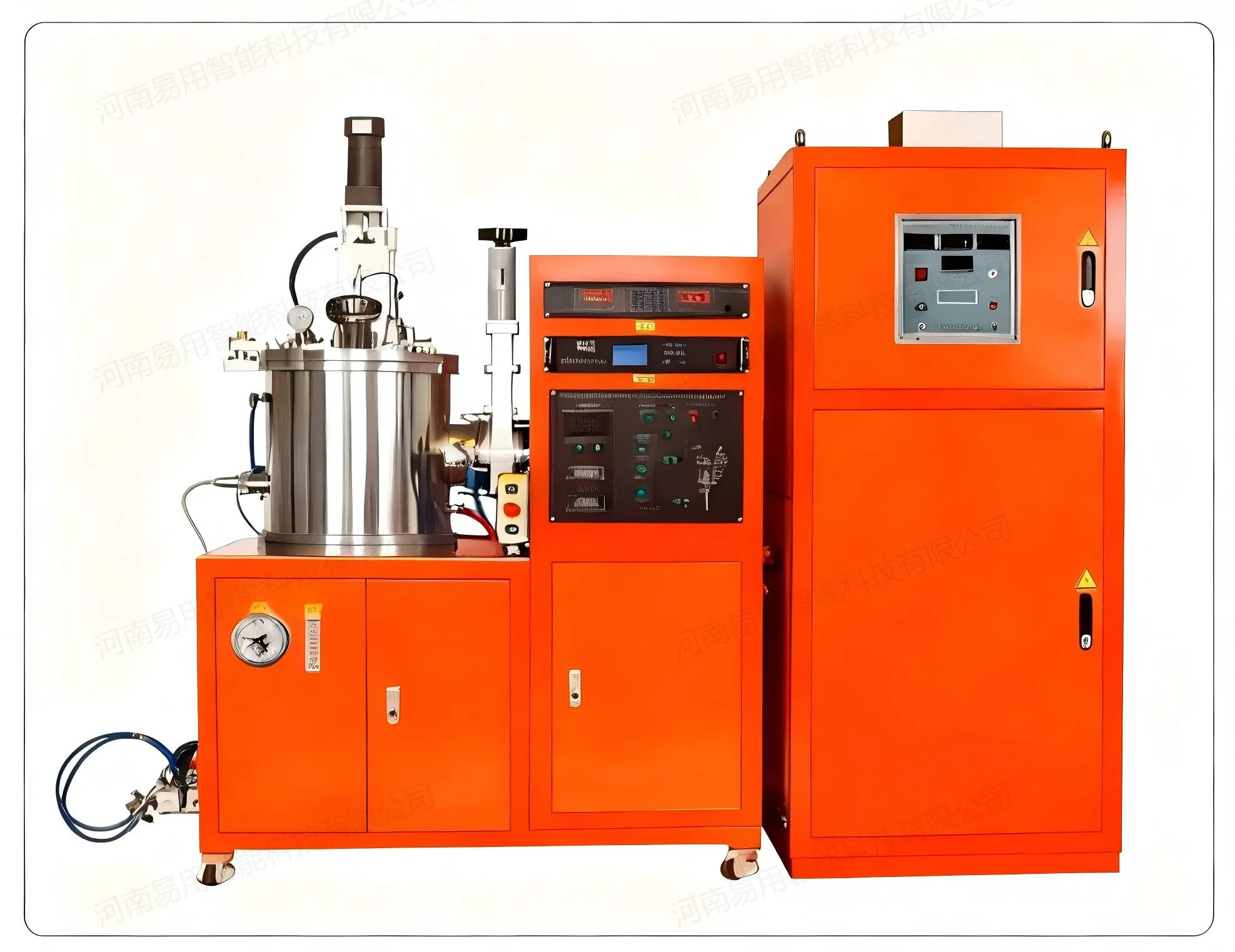
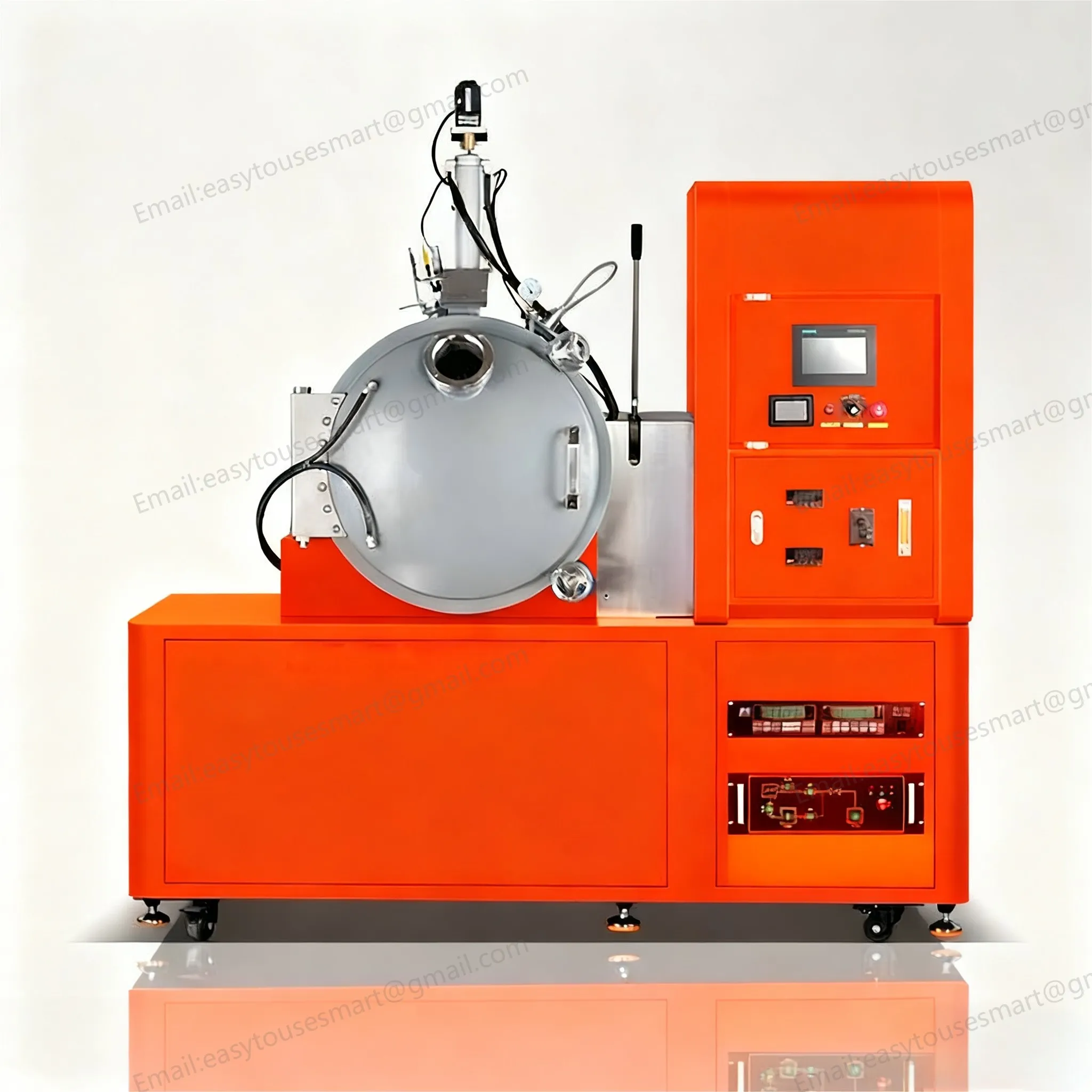
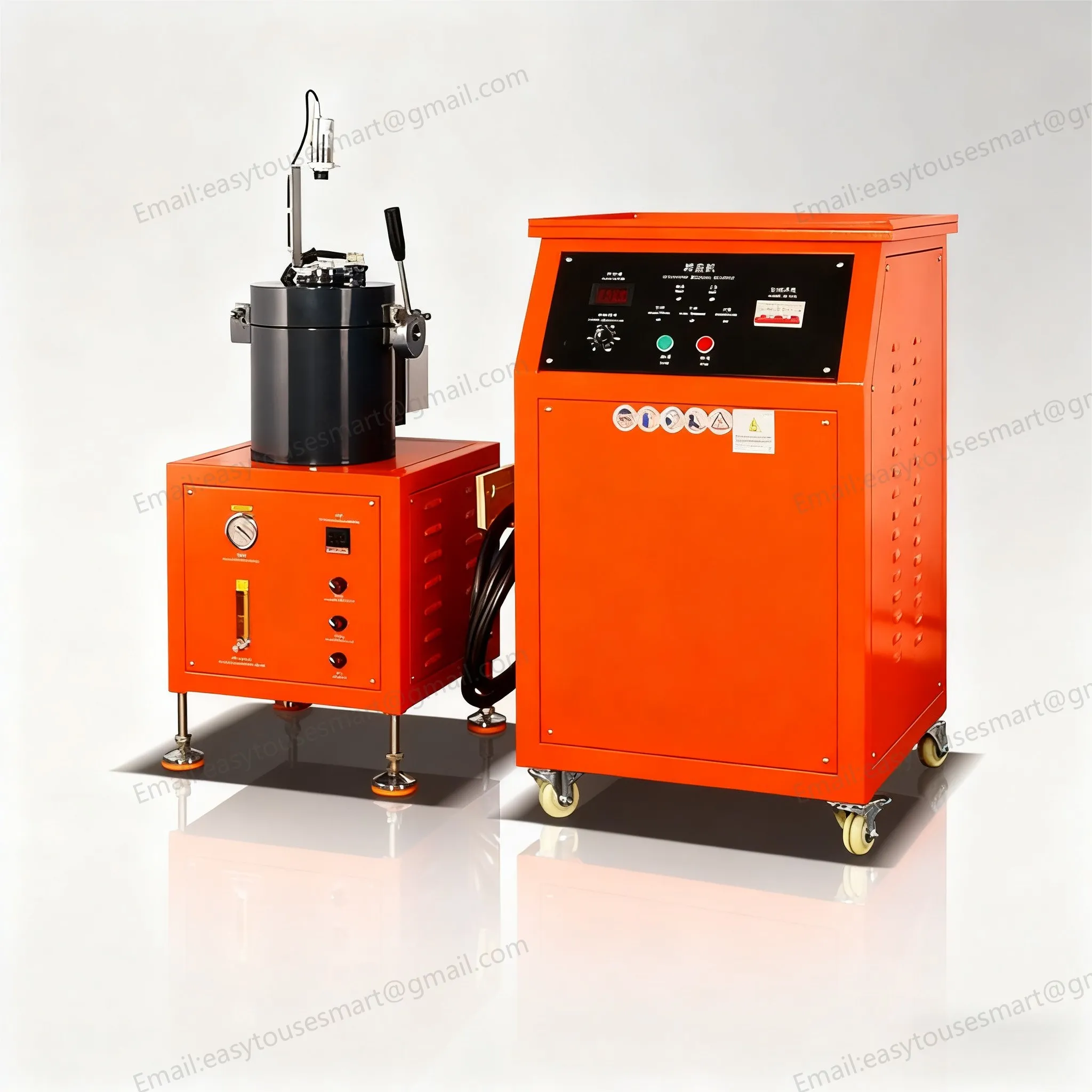
In the field of high-end alloy production (e.g., aerospace titanium alloys, semiconductor alloys, superconducting alloys), precise control of material composition directly determines product performance. Even a 0.1% deviation in composition can lead to issues such as reduced alloy strength or failed conductivity. Traditional melting equipment (e.g., crucible furnaces) struggle to meet high-precision composition control requirements due to material contact and impurity contamination. Magnetic levitation furnaces, leveraging non-contact suspension and intelligent control technologies, have become the core equipment for precise alloy composition control. Their principles and advantages in composition management are driving the advancement of high-end alloy production technology.
The Core Principle of Controlling Alloy Composition in Magnetic Levitation Smelting Furnace
The magnetic levitation smelting furnace achieves precise composition control through two key technologies:
1. Non-contact suspension minimizes impurity interference: By generating a strong magnetic field through high-frequency alternating current, the alloy material remains completely suspended in the furnace cavity without contacting the crucible or furnace walls. Unlike traditional smelting where crucible materials (e.g., graphite, ceramics) may release impurities into the alloy, magnetic levitation smelting eliminates contact contamination at the source. This ensures the alloy composition is determined solely by the raw materials, establishing a pure foundation for precise component control.
2. Magnetic field and temperature synergistically regulate compositional homogeneity: By precisely adjusting current magnitude and frequency, the magnetic field intensity can be controlled — stronger magnetic fields enhance alloy suspension stability and promote thorough convective mixing at high temperatures. Combined with precision temperature control technologies such as infrared thermometry and microwave heating, the melting temperature fluctuation is maintained within ±5℃, preventing localized overheating-induced compositional segregation (e.g., heavy metal elements sinking and light elements floating) and ensuring alloy composition uniformity exceeding 99.9%.
2. Three Core Advantages of Magnetic Levitation Smelting Furnace in Controlling Alloy Composition
1. High-purity assurance: Minimizing the "polluting interference" of impurities on components
The fundamental principle of alloy composition control is "zero additional impurity contamination". The magnetic levitation melting furnace employs non-contact suspension technology to completely prevent the introduction of crucible materials (e.g., oxygen, carbon, silicon), making it particularly suitable for impurity-sensitive alloys. For instance, in the production of superconducting niobium-titanium alloys, traditional melting methods often introduce oxygen impurities that lower the superconducting critical temperature. In contrast, magnetic levitation melting can maintain oxygen content below 30ppm, ensuring the alloy composition meets high-end application standards.
2. Precise Regulation: Achieving "Quantitative Control" of Alloy Composition
The magnetic levitation melting furnace features a closed-loop control system that monitors real-time temperature, magnetic field strength, and alloy melt state during the process. By precisely adjusting current frequency and heating power, it enables accurate control of alloy composition ratios. For instance, when producing aluminum-lithium alloys, strict control of lithium content within 2%-3% is essential (excessive lithium can cause alloy brittleness). Through precise temperature regulation and stirring, the system maintains lithium deviation within ±0.05%, far surpassing the ±0.2% precision of traditional melting methods. This meets the stringent compositional requirements of aerospace materials.
3. Intelligent operation: Minimizing the impact of human error on components
Traditional smelting relies on operators adjusting parameters based on experience, which is prone to compositional fluctuations caused by human errors. In contrast, the magnetic levitation smelting furnace integrates a PLC control system and real-time composition detection modules (such as spectral analysis), enabling automatic execution of smelting programs and real-time parameter adjustments. For instance, in stainless steel smelting, it can automatically monitor chromium and nickel content and supplement raw materials, reducing the probability of compositional fluctuations by over 80% and enhancing the consistency of alloy composition in batch production.
III. Limitations of Alloy Composition Control in Magnetic Levitation Smelting Furnace
Although magnetic levitation furnaces demonstrate significant advantages in composition control, their application is still limited by the following factors:
1. The equipment costs are relatively high: Magnetic levitation smelting furnaces require high-intensity magnetic field systems and precision temperature control devices, with a single unit costing approximately 5-10 times that of traditional crucible furnaces. The high initial investment threshold makes it difficult for small and medium-sized enterprises to adopt this technology.
2. High technical requirements for operators: Professionals must master the coordinated logic of magnetic field parameters, temperature regulation, and component detection; otherwise, improper parameter settings may compromise component control efficacy.
3. Limited applicability to alloy types: Insufficient magnetic levitation force for low-melting-point and low-magnetic alloys (e.g., certain aluminum alloys, magnesium alloys), making stable levitation difficult to achieve. Currently, it is more suitable for high-melting-point and strong-magnetic alloys (e.g., titanium alloys, iron-based alloys, superconducting alloys).
IV. Core Application Scenarios of Magnetic Levitation Smelting Furnace
With its precise composition control capability, the magnetic levitation smelting furnace has become the go-to equipment in the following high-end alloy fields:
· In aerospace applications, controlling the composition of key elements (e.g., aluminum, niobium, tungsten) during the preparation of titanium-aluminum alloys and high-temperature alloys enhances their resistance to high-temperature creep.
· In the semiconductor field, during the melting of silicon-germanium and gallium-arsenic alloys, impurity introduction must be avoided to ensure stable conductivity of semiconductor materials.
· In the field of superconductivity: When preparing niobium-titanium alloys and yttrium-barium-copper-oxygen superconducting materials, precise control of the superconducting element ratios is essential to ensure the superconducting critical temperature and current density.
sum up
The magnetic levitation melting furnace addresses three major challenges in traditional smelting—impurity interference, compositional segregation, and human error—through its innovative combination of "non-contact levitation, precise control, and intelligent monitoring." It is particularly suited for producing high-end alloys with stringent purity and compositional accuracy requirements. Despite limitations in cost and applicability, advancements in magnetic field technology and reduced equipment costs are gradually expanding the application boundaries of this furnace. It is poised to become the core technology for alloy composition control in the metallurgical industry, providing superior material support for high-end manufacturing.
QR code

Contact information
15738867410
Online Message
Top